What Does a Backwater Valve Protect Against
A backwater valve reduces the risk of sewage being forced backward through toilets, tubs, floor drains, or other low fixtures when the downstream line surcharges. Its internal gate allows normal wastewater to leave the building, then closes when flow reverses. It does not pump water or seal foundation cracks.
Wastewater or a foul odor rises from a basement floor drain during heavy rain.
A toilet or tub on the lowest level backs up when little water is being used inside.
The same low fixtures receive sewage during repeated storm events.
A finished basement contains flooring, walls, utilities, or stored property exposed to sewer surcharge.
Prior drain cleaning restored flow, but reverse backups return when the outside system is overloaded.
Low-lying properties near South Oyster Bay and southern Massapequa can face several kinds of water risk at once. Clear water entering at a wall joint points toward groundwater control; wastewater appearing through a drain points toward the sanitary system. Both conditions can occur in one basement and require separate solutions.
What We Check First
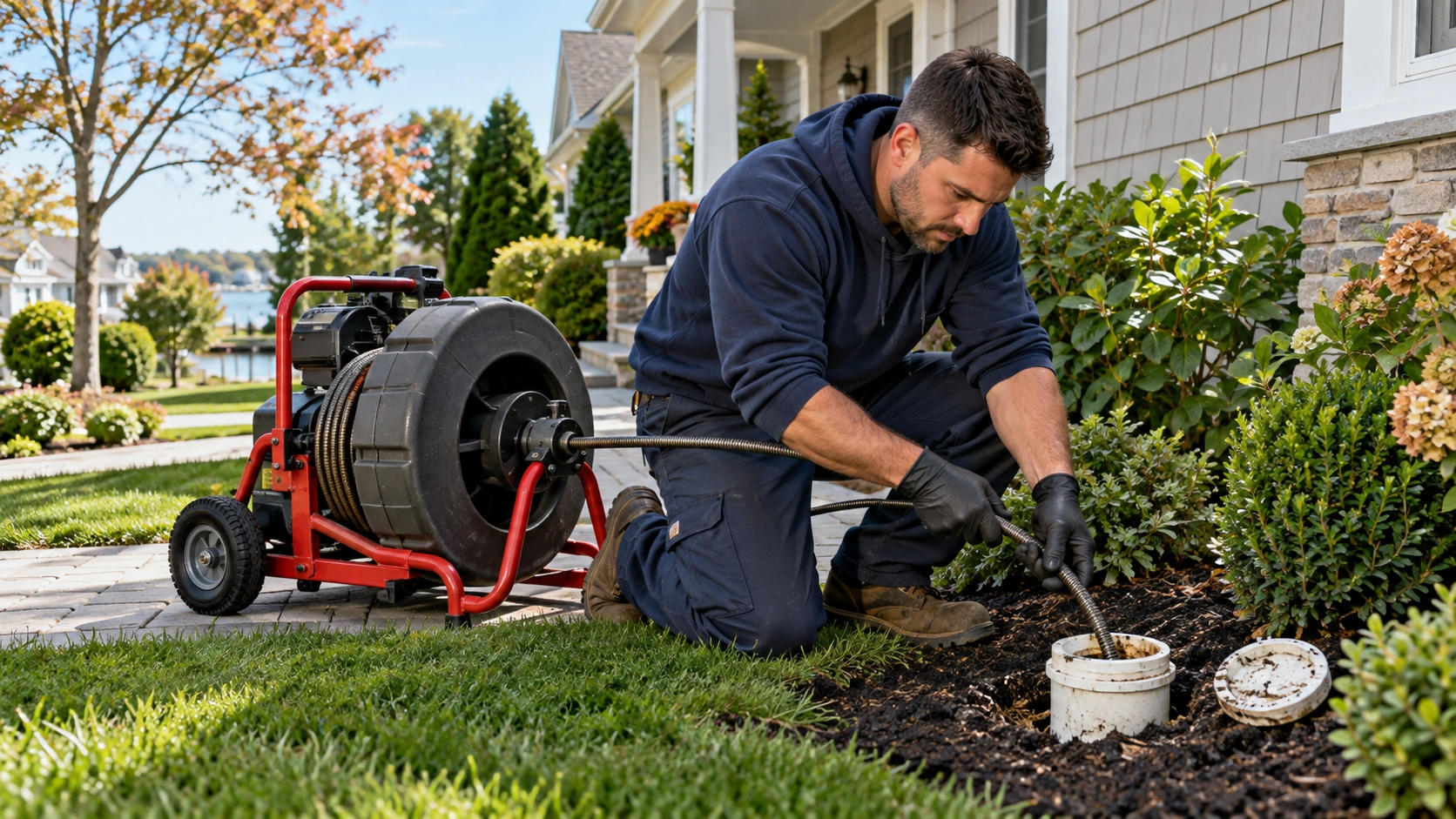
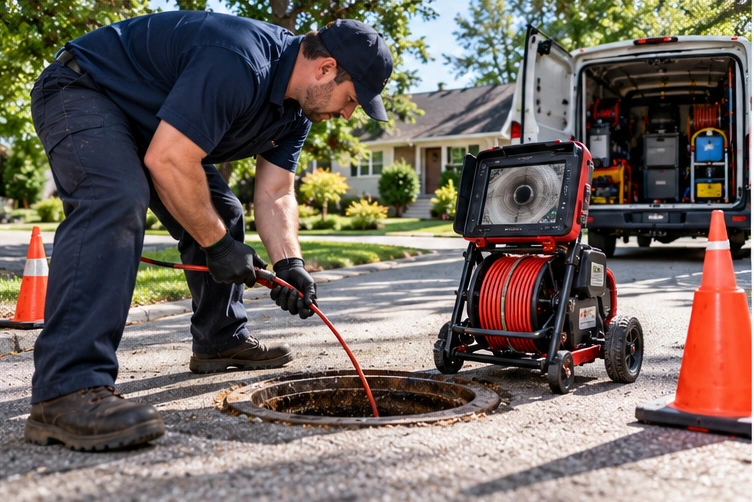
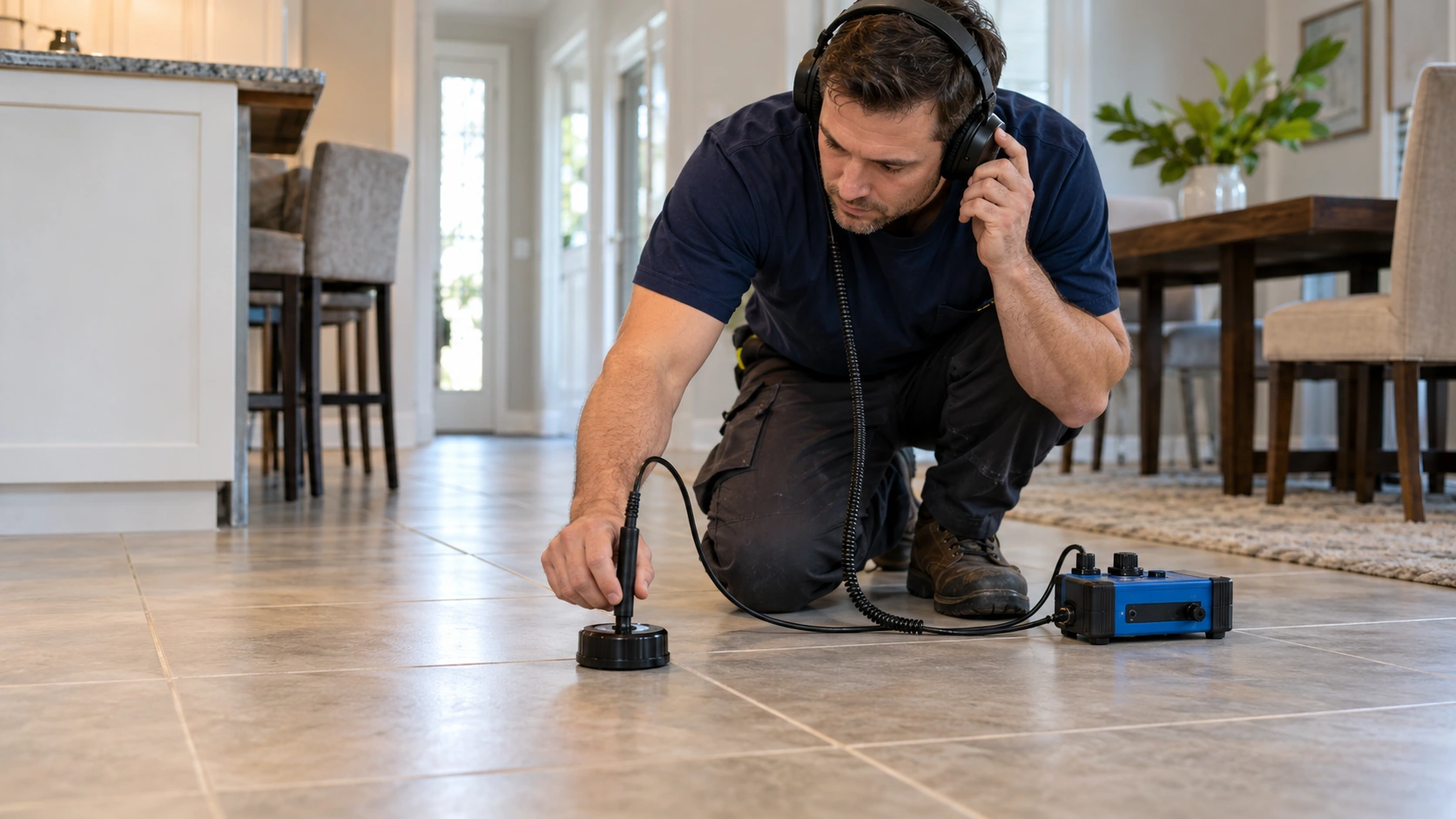
We first identify where the backup appears, what it contains, when it happens, and whether multiple fixtures are affected. We inspect accessible drains and cleanouts, review the building-drain route, and may use a camera to check pipe condition, roots, offsets, grease, or a blockage that would remain even after a valve is installed.
The property must be suitable for a valve. Placement matters because the device must protect the intended lower fixtures without trapping discharge from unprotected connections. We also check pipe size, material, depth, slope, access, available working room, and the route to a municipal sewer, cesspool, or septic component serving the property.
How Do We Install and Test the Valve
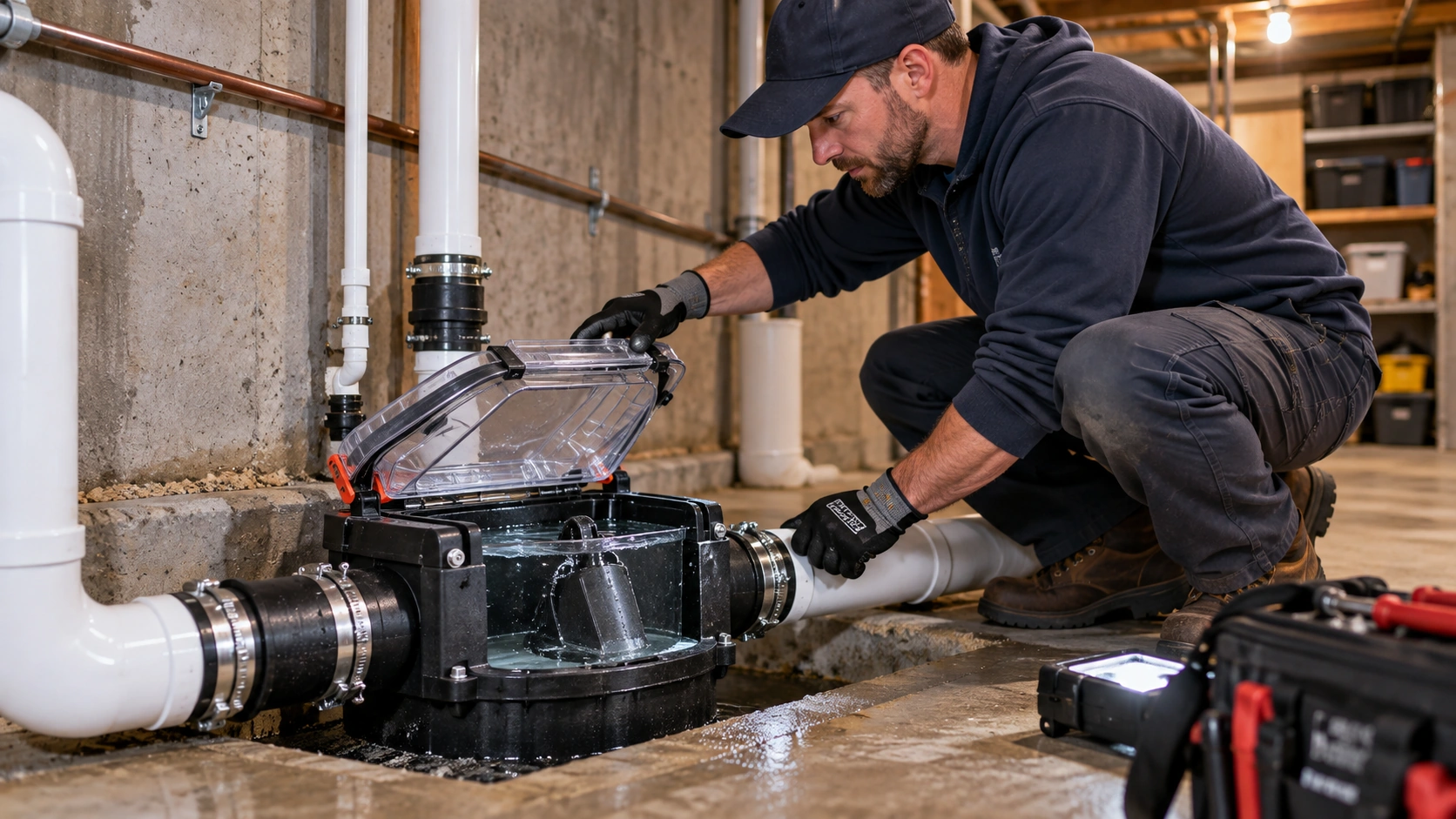
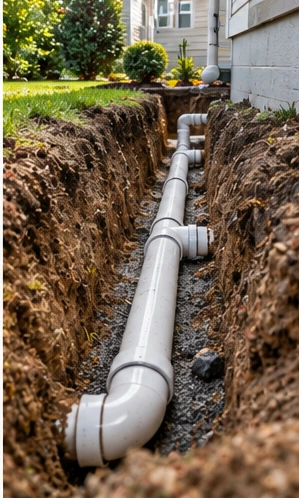
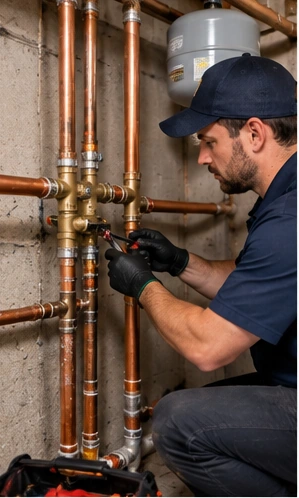
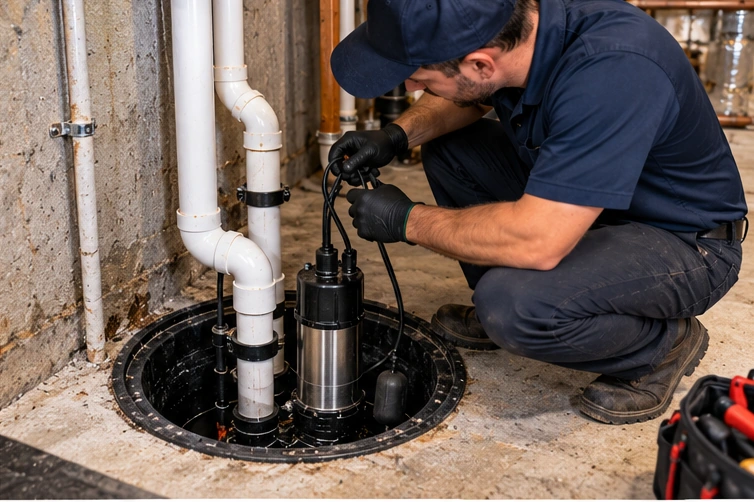
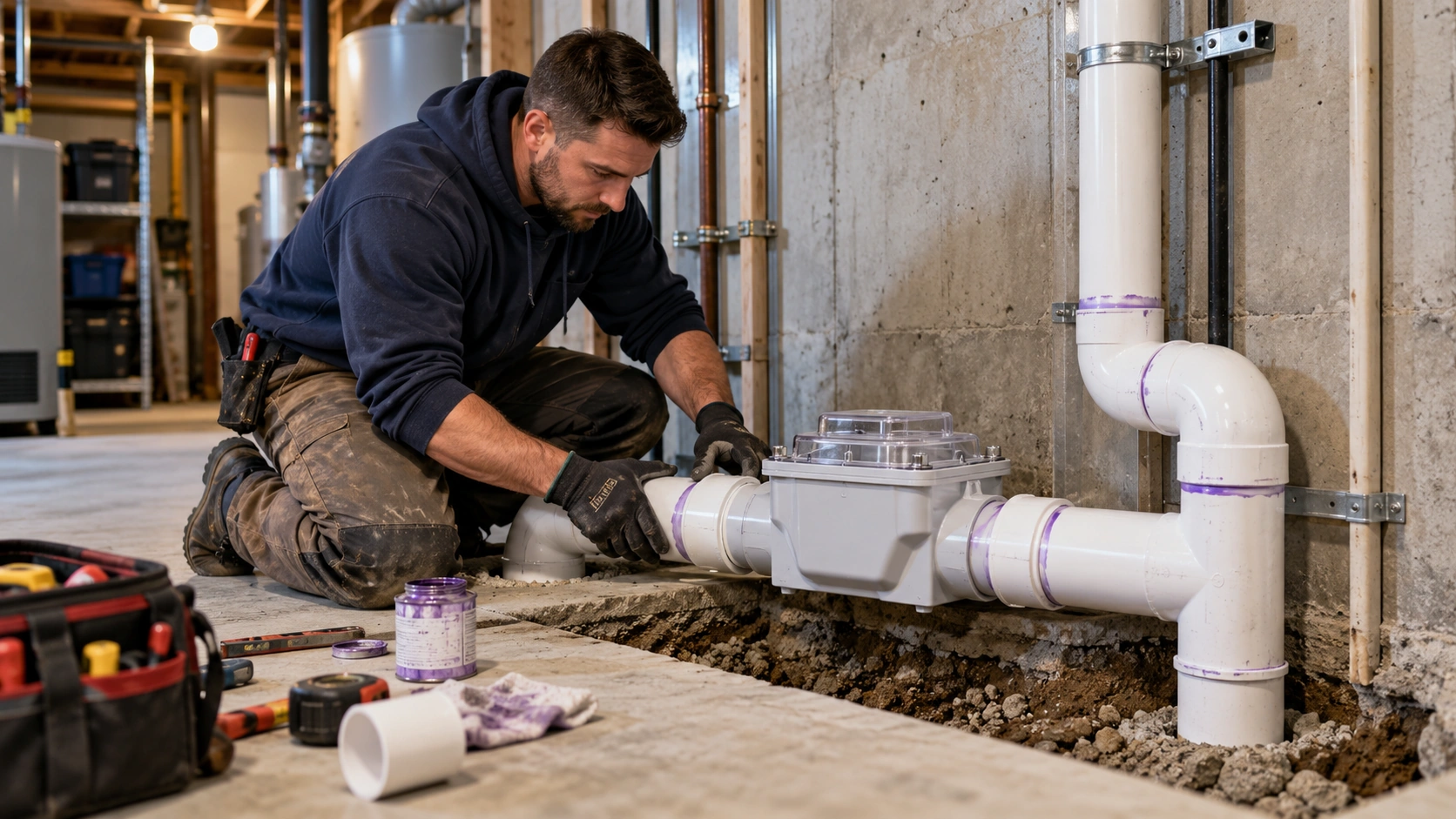
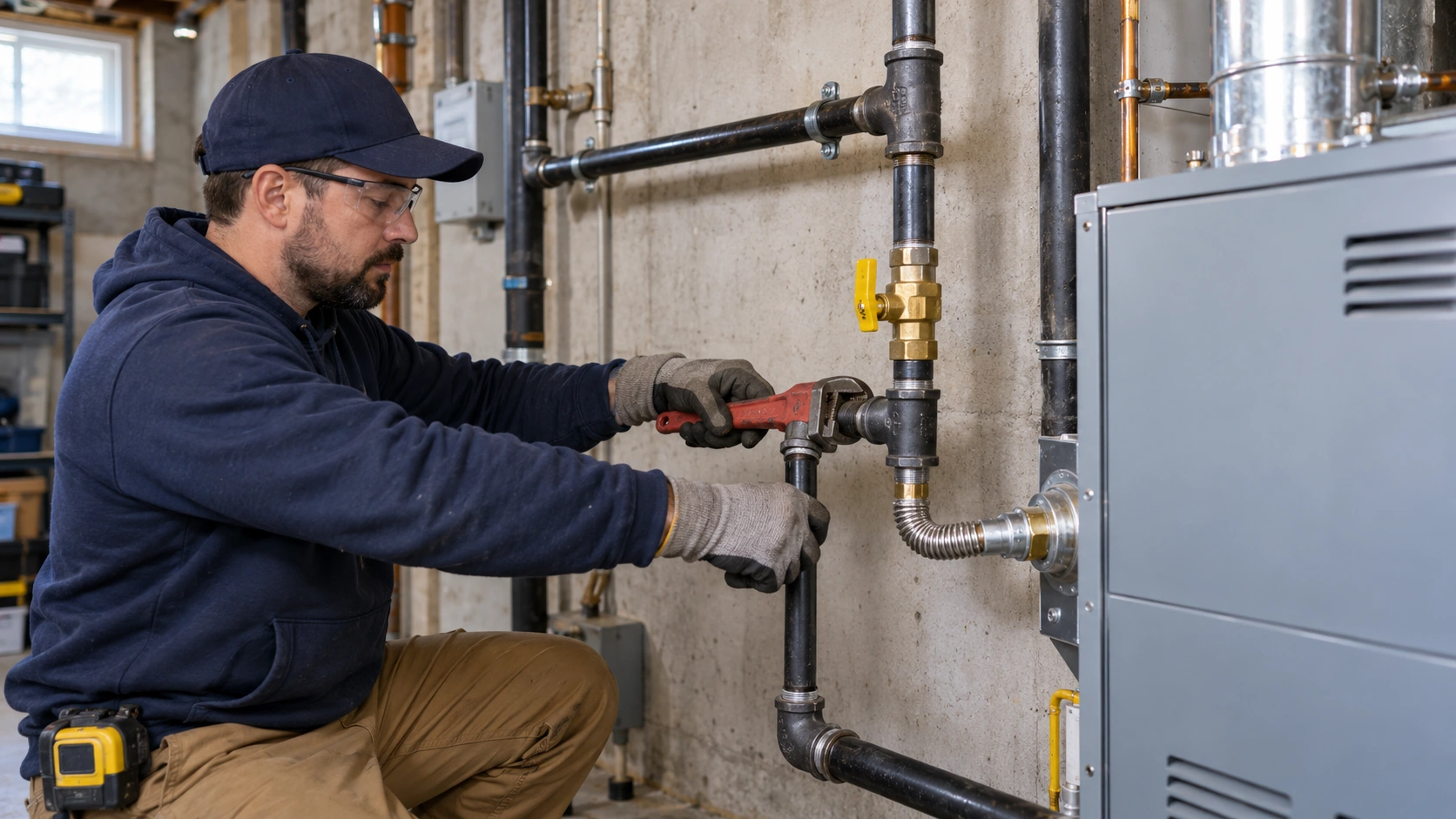
After locating the correct point, we expose the building drain, remove the required pipe section, and install the approved valve in the direction of normal flow. Interior work may require opening part of a concrete floor. Exterior work may require excavation near the foundation or service line. The layout determines the least disruptive safe approach.
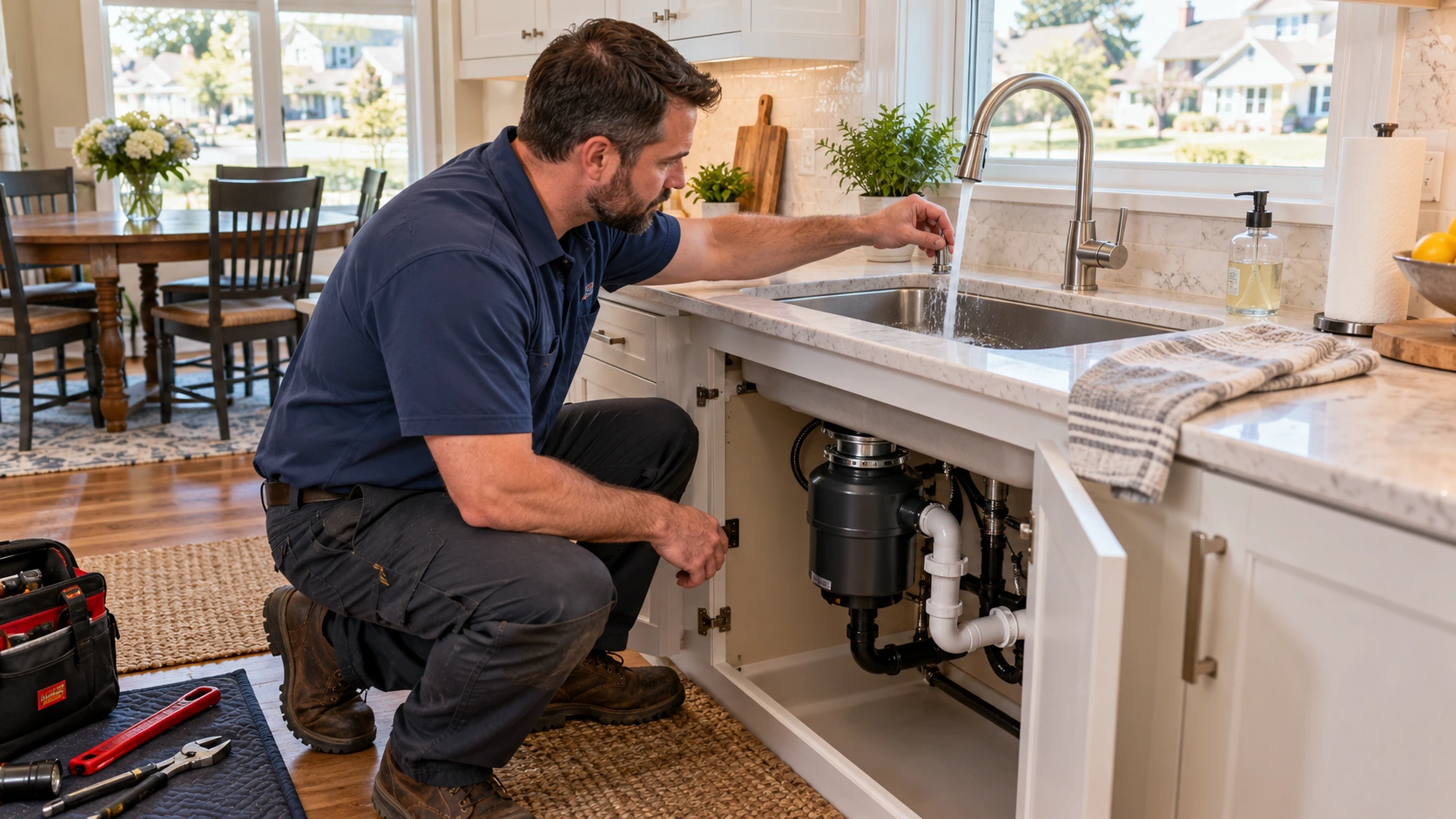
The valve remains accessible through a service cover or access sleeve. Burying it without access prevents inspection and cleaning. After connection, we verify drainage direction, inspect the gate or flapper movement, test flow, check for leaks, and document the valve location and maintenance instructions.
During a surcharge, occupants should avoid sending unnecessary wastewater toward a closed valve because the building drain may have nowhere to discharge. We explain this operating limitation, show the owner how to reach the access cover, and provide applicable product and workmanship warranty terms in writing.
How Much Does Backwater Valve Installation Cost
Backwater valve installation commonly ranges from about $600 to $5,000. The broad range reflects major differences in pipe depth, valve type, interior slab cutting, exterior excavation, access, pipe condition, permits, and restoration. A straightforward accessible installation costs less than deep excavation or work beneath a finished floor.
Massapequa Plumbing Experts provides the applicable estimate before approved work begins. Drain cleaning, camera inspection, damaged-pipe repair, sewage cleanup, flooring replacement, waterproofing, and sump-pump work are separate unless listed in the scope.
How Is a Backwater Valve Maintained
The valve needs routine access and inspection because debris, grease, scale, or a damaged seal can prevent the gate from closing. Maintenance includes opening the access cover, checking free movement, cleaning the valve body and sealing surfaces, and replacing worn parts when necessary. The product instructions and actual backup history guide the service interval.
Why Choose a Licensed Local Plumber
Massapequa Plumbing Experts brings 10 years of plumbing experience to drain diagnosis, sewage backups, and basement flood risks. We determine whether a valve suits the actual piping before cutting the drain, preserve service access, test the completed installation, and give the owner a written location and maintenance record.
Review our sump pump and basement flood-prevention service for the parent service scope. If clear groundwater is entering through the slab or foundation, see sump pump installation in Massapequa. Visit the Massapequa plumber homepage for other plumbing services.
Frequently Asked Questions
Is a backwater valve the same thing as flood protection?
No, a backwater valve specifically stops sewage from surging back into your home through the drain line; it doesn't address groundwater seeping through your foundation, which needs a sump pump instead.
How do I know if I need a backwater valve instead of just a bigger sump pump?
If backups happen through your drains or toilets during heavy rain rather than water rising through the floor, that points to sewer surcharge, which is what a backwater valve is built to stop.
Does installing a backwater valve require digging up my yard?
Often the valve can be installed at an accessible point inside the home or near the foundation without a full yard excavation, depending on your plumbing layout.