
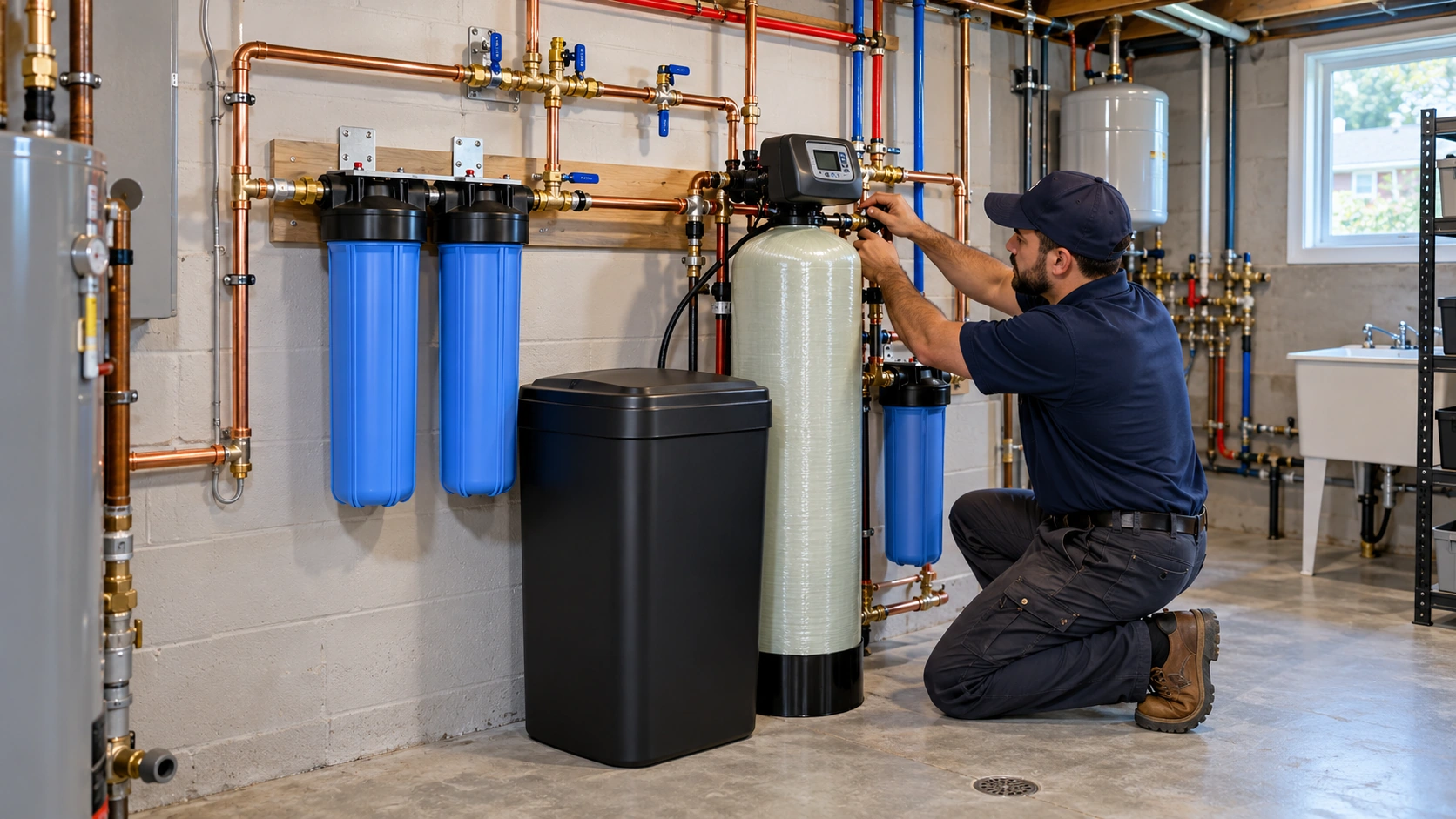
How Do You Stop a Basement From Flooding
Basement flood prevention starts with identifying the water source. Groundwater entering through a slab or wall-to-floor joint needs a collection path and correctly sized sump system. Roof runoff or poor grading must be redirected outside. A leaking water line needs repair, while sewage moving backward through a building drain may require a backwater valve or drain correction.
A pump alone cannot solve every wet-basement problem. It must receive the incoming water, move it faster than the pit fills, and discharge it to an approved location without cycling the same water back toward the foundation. Power loss, a stuck float, a blocked check valve, or a frozen or restricted discharge can defeat an otherwise adequate pump.
Service is available for homes and businesses across Nassau County, including planned installations and urgent failures during storms. For the broader plumbing scope, visit our plumber in Massapequa, NY homepage.
What Are the Signs Your Basement Needs Better Flood Protection
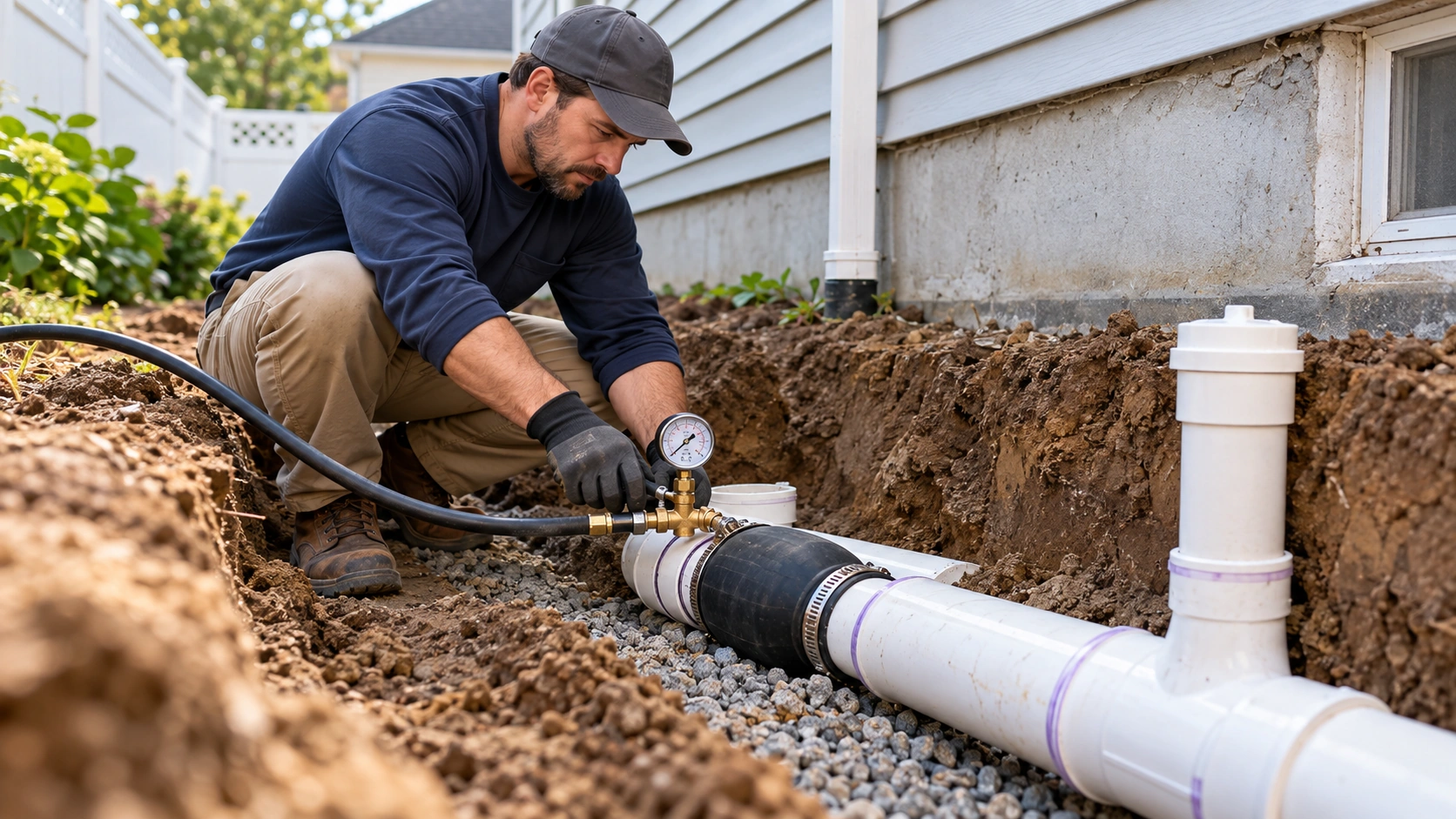
Recurring moisture usually leaves evidence before the next major flood. Look for patterns after rain, during snowmelt, and when nearby drainage areas are full. One sign does not identify the cause, but several signs together justify an inspection before stored belongings, finished walls, flooring, or electrical equipment are damaged.
The sump pump runs constantly, starts every few minutes, or cannot lower the pit during heavy rain.
A tide line or watermark returns at the same height on block walls after storms.
White mineral deposits appear on masonry where moisture repeatedly evaporates.
A musty odor continues even after the visible water has dried.
The pump is silent during an outage, the alarm activates, or the backup does not start.
Water enters at the wall-to-floor joint, through slab cracks, or around pipe penetrations.
A floor drain or low fixture carries sewage rather than clear groundwater.
Clear groundwater and contaminated wastewater require different responses. Keep people and pets away from sewage, stop unnecessary water use, and arrange cleanup after the flow is controlled. Do not assume a sump pump or shop vacuum makes contaminated materials safe.
Why Do Basements in This Area Flood
Southern Massapequa lies near South Oyster Bay and includes low-lying neighborhoods where coastal storms, intense rainfall, and elevated groundwater can combine. The Town of Oyster Bay has completed flood-diversion work on several roads in the southern part of the community, reflecting a documented need to manage stormwater rather than treating each wet basement as an isolated event.
Properties in Nassau Shores, Harbor Green, Bar Harbor, and Biltmore Shores can face a different exposure than higher inland lots in North Massapequa. Canal proximity, lot elevation, foundation depth, soil saturation, and the route of old drainage channels all affect how water reaches a basement. Homes near the Massapequa Preserve drainage corridor may also see groundwater respond after prolonged rain.
FEMA flood zones describe mapped surface-flood risk; they do not predict every groundwater entry point. An address should be checked on the current Flood Insurance Rate Map rather than assigned a zone from the neighborhood name. A property outside a mapped high-risk area can still experience seepage through cracks, joints, window wells, drains, or an undersized sump system.
What We Check First
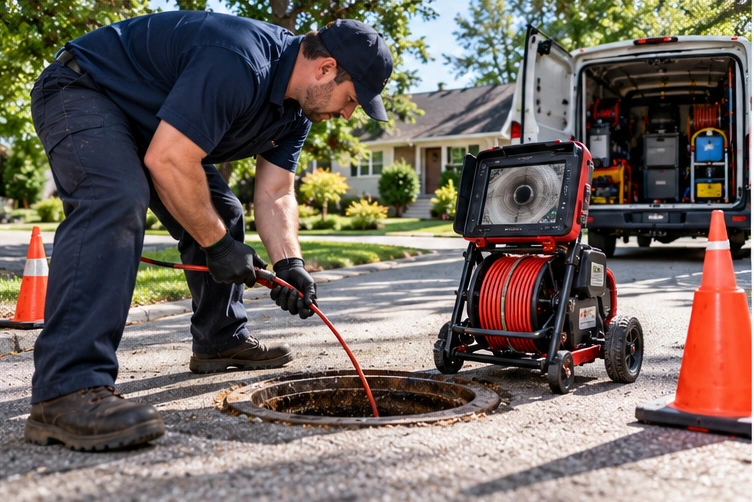
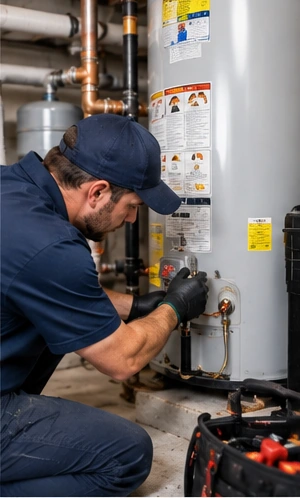
We first determine whether the water is groundwater, rainwater, a plumbing leak, or sewage. We ask where it appears, how quickly it rises, what weather preceded it, and whether the pump had power. We inspect the pit, float movement, pump condition, check valve, discharge route, electrical supply, backup system, alarm, and visible foundation entry points.
Existing equipment is tested under load by adding water to the pit and watching the activation level, discharge, shutoff, and refill. Frequent short cycling may indicate a small pit, a faulty check valve, or water returning through the discharge. A silent pump may have a power, switch, motor, or obstruction problem. The observed inflow guides capacity selection.
How Do We Install a Sump Pump and Flood-Prevention System
The system is designed around measured conditions, not horsepower alone. We consider inflow rate, pit size, vertical lift, discharge length, fittings, available power, debris exposure, and how far water must travel. The pump's rated capacity at the actual head height matters more than the maximum number printed on the box.
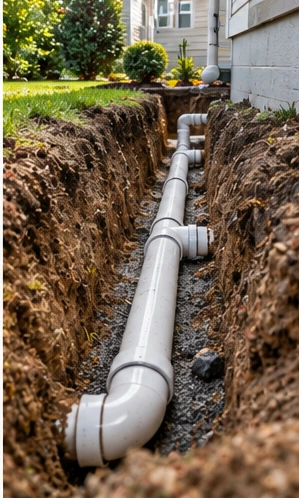
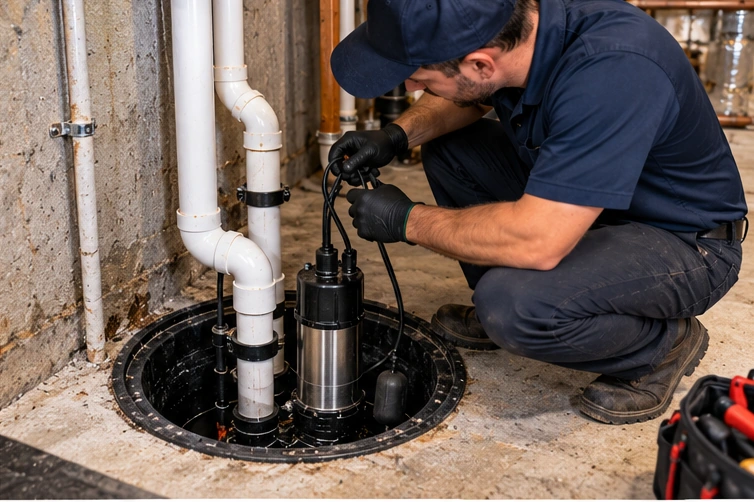
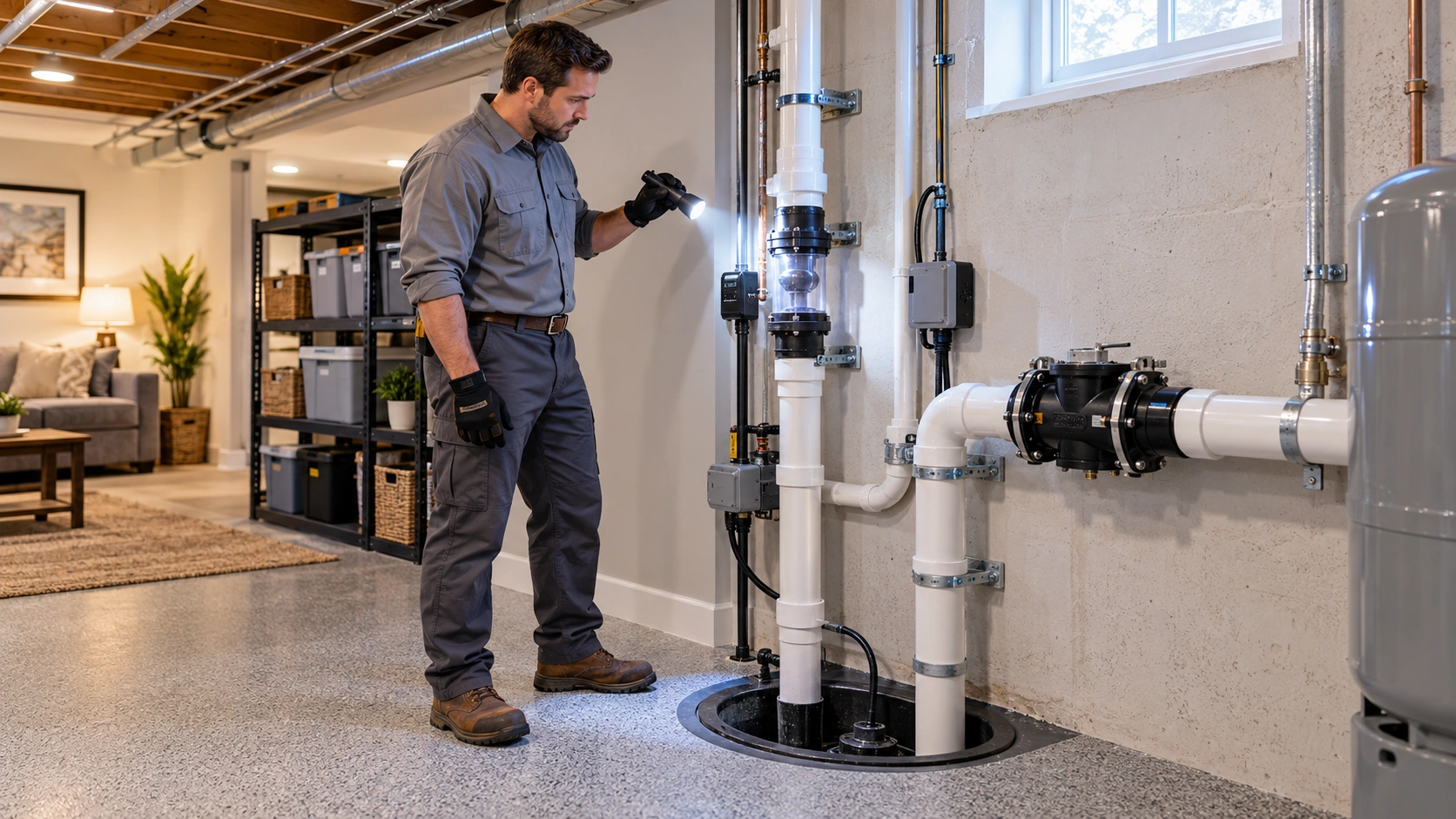
When a suitable pit already exists, we clean it, inspect the liner, set the pump on a stable base, and configure a free-moving float. New installations may require opening the slab, excavating a basin, adding drainage stone, and connecting perimeter drainage where appropriate. A check valve limits return flow, and the discharge is routed away from the foundation without creating a sidewalk or neighboring-property hazard.
Backup protection is selected for the expected outage and inflow. A battery-powered secondary pump operates independently of the primary unit. A water-powered backup may be possible where the water supply, plumbing protection, and discharge conditions support it. High-water alarms and monitoring add warning but do not replace pumping capacity.
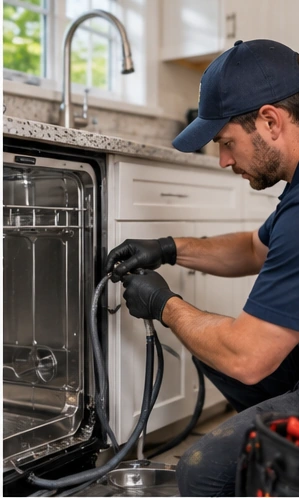
We fill the basin and test the primary and backup pumps through complete cycles. The check valve, alarm, fittings, and discharge are observed under load. The owner receives a written summary of the installed equipment, test results, maintenance points, and battery information. Routine testing should occur before storm seasons and after any service change.
What Does Sump Pump Installation Cost
Replacing a pump in a usable existing pit commonly falls around $700 to $1,800. A new pit, pump, and discharge installation may range from $2,500 to $5,000 depending on slab work and routing. A battery backup commonly adds about $600 to $2,000, while multi-pump systems and complex drainage work can cost more.
Pump capacity, basin condition, discharge distance, vertical lift, electrical work, battery size, alarm features, check-valve replacement, and access affect the price. Interior drainage channels, exterior grading, waterproofing, backwater valves, sewage cleanup, and finished-basement restoration are separate scopes. Massapequa Plumbing Experts explains what is included and provides the applicable estimate before approved work begins.
Why Choose a Licensed Local Plumber
Massapequa Plumbing Experts brings 10 years of plumbing experience to groundwater control, drain backups, pump systems, and discharge piping. A licensed master plumber is available for plumbing work within the service scope. We diagnose the source before matching equipment, which helps prevent a groundwater pump from being presented as the solution to sewage, roof runoff, or a leaking supply line.
We use non-invasive inspection where conditions allow, protect the work area, and test equipment under load before leaving. Owners receive a clear explanation of what was found, what was installed or repaired, and what maintenance remains. Product and workmanship warranty terms are documented for the selected equipment rather than reduced to an unsupported badge or blanket promise.
Related Sump Pump and Flood-Prevention Services
Sump pump installation covers new basins, replacement pumps, discharge piping, check valves, and load testing.
Sump pump battery backup adds independent pumping during outages or primary-pump failure.
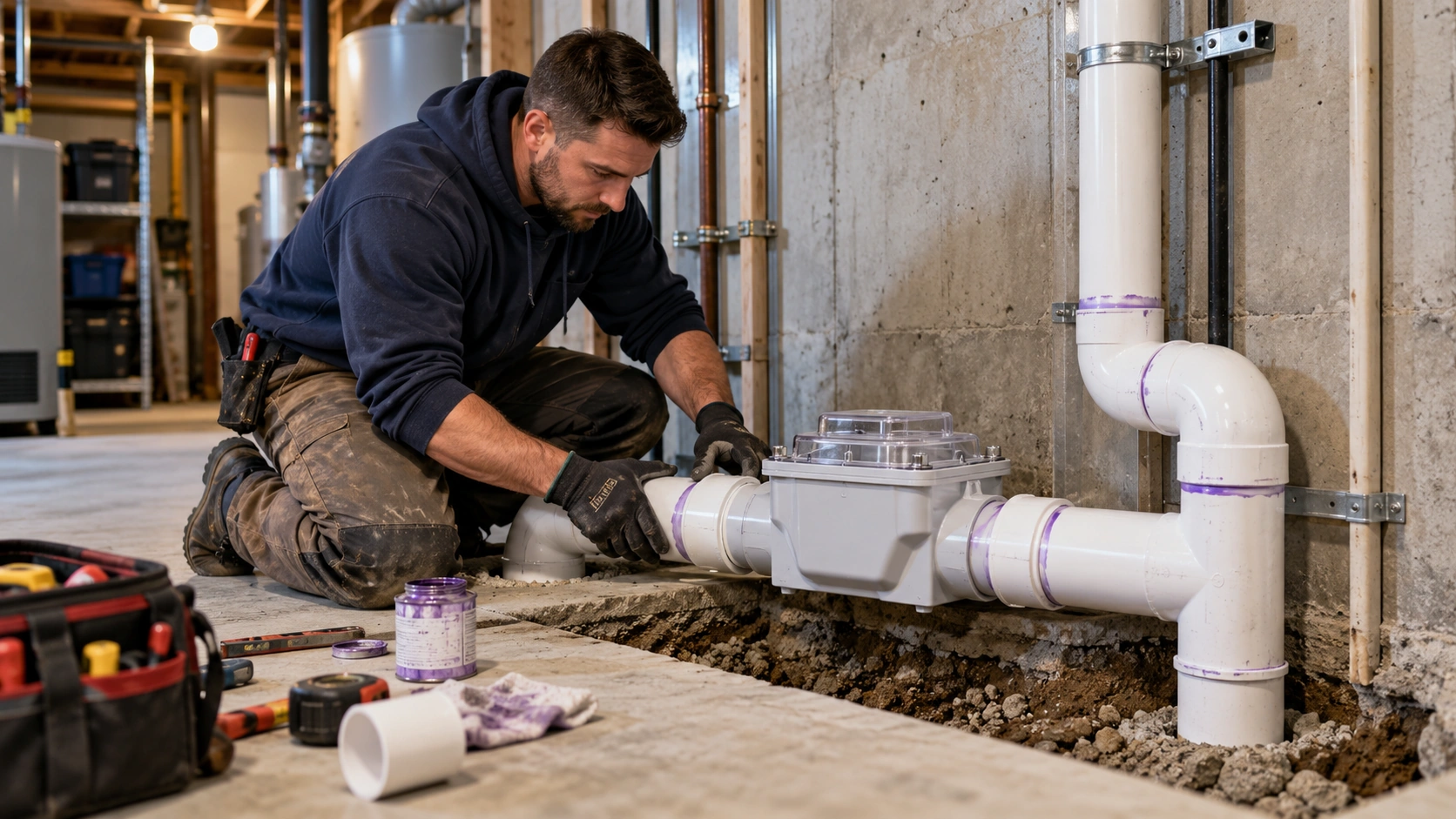
Backwater valve installation addresses reverse sewage flow when a building drain or disposal line surcharges.
Which Areas Do We Serve Near Massapequa
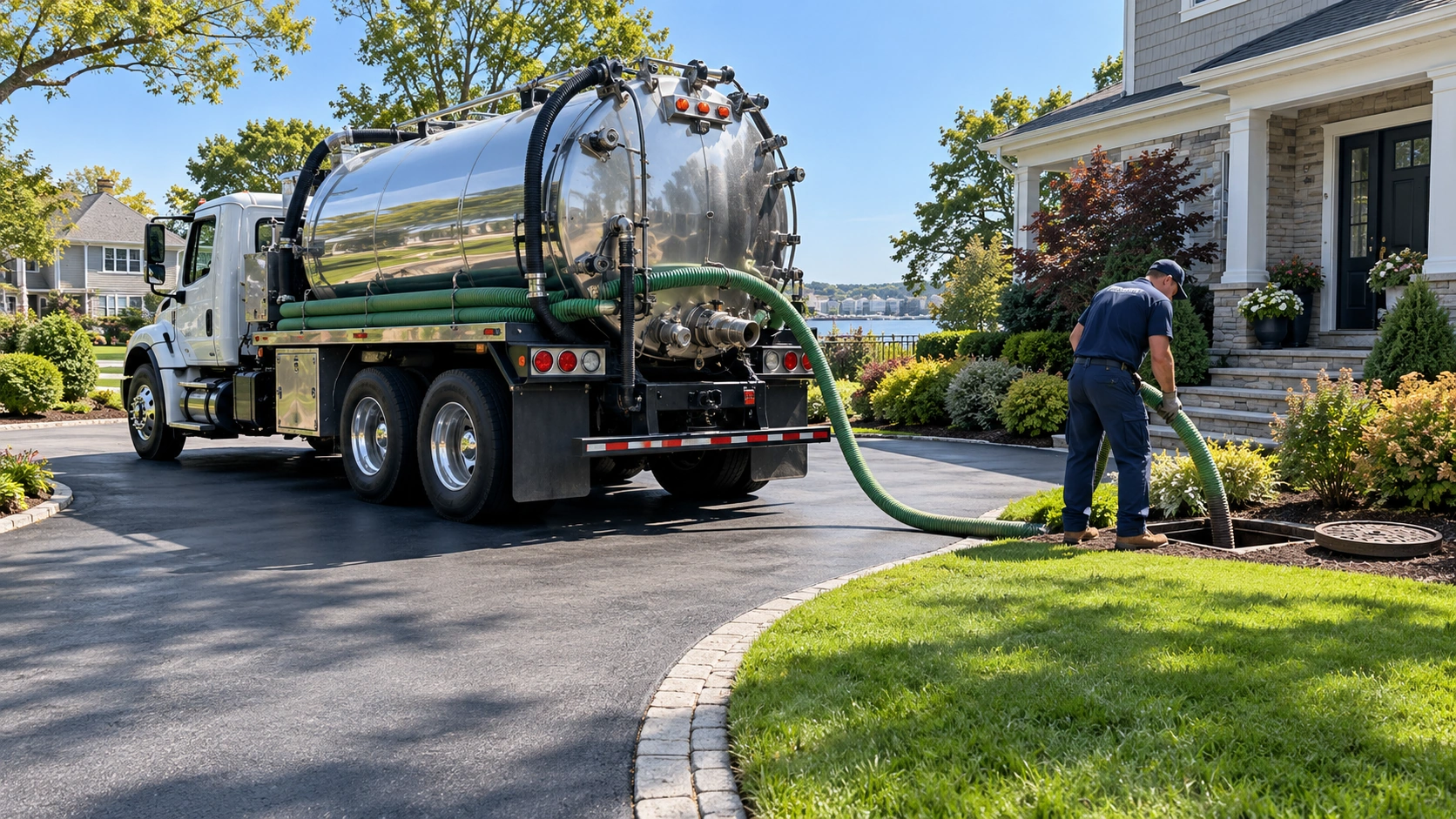
Service covers East Massapequa, North Massapequa, Nassau Shores, Harbor Green, Bar Harbor, Unqua, and Biltmore Shores. Scheduling also extends to Massapequa Park, Seaford, Amityville, Wantagh, Farmingdale, Bethpage, and North Amityville according to the work required and appointment availability. Review our areas served near Massapequa for the complete coverage list.
Frequently Asked Questions
Do I really need a battery backup sump pump in Massapequa?
Almost certainly yes. Long Island storms frequently knock out power right when a sump pump needs to work hardest, and without a backup the primary pump becomes useless exactly when flood risk is highest.
How big of a sump pump does my Massapequa home need?
Most Massapequa homes need at least a one-third horsepower pump, but homes with a high water table or poor drainage often need one-half horsepower or larger; we size it based on your basement and water flow patterns.
Why does my basement flood in the same spot every time it rains?
A repeating tide line or wet corner usually points to a consistent source, most often groundwater pressure from the high water table, and the fix is matched to that source rather than just drying the space afterward.
Are canal-front Massapequa homes at higher flood risk?
Yes, homes in AE and VE flood zones closest to the water carry the highest repeat flood risk, and we assess flood zone status as part of every sump pump and flood prevention consultation.
How long does a sump pump battery backup last during an outage?
A properly installed battery backup system typically runs eight to twelve hours depending on how much water it is pumping, which covers most storm-related outages.
What is a backwater valve and do I need one?
A backwater valve stops sewage from surging back into your home when the municipal or cesspool line surcharges during heavy rain; it's a targeted fix for sewer backup, separate from groundwater flooding.